

Why Is My Dog Panting at Rest? Medical Causes You Shouldn’t Ignore
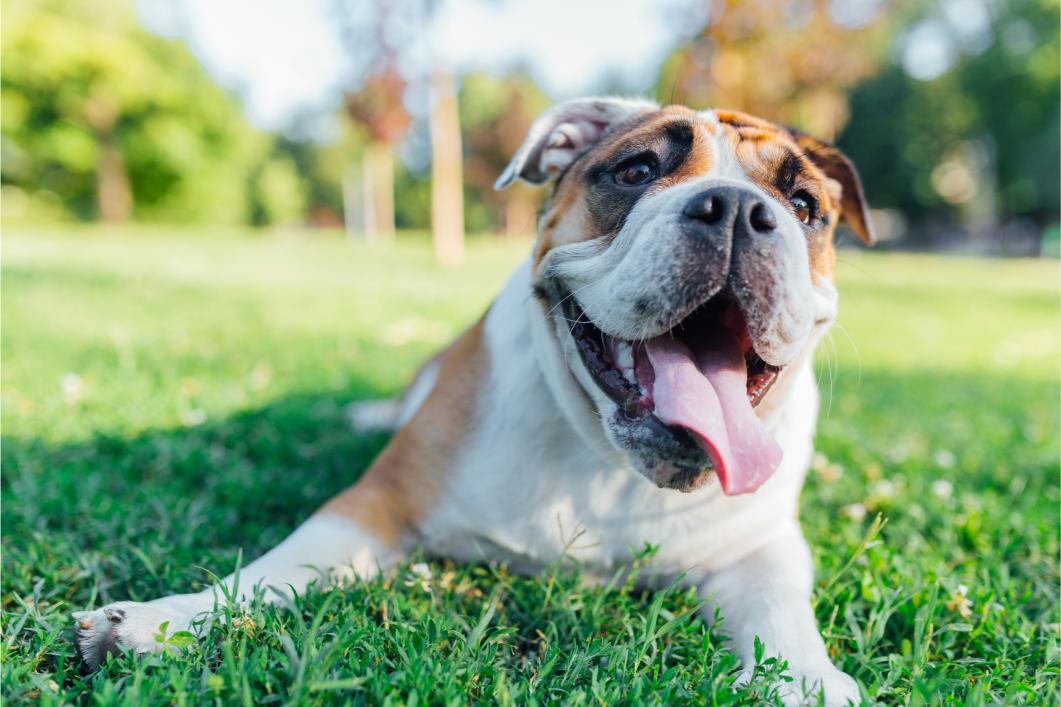
Panting is a normal way for dogs to cool down after exercise, excitement, or a warm afternoon walk. But when you notice your dog panting at rest, especially while sleeping, relaxing on the couch, or doing absolutely nothing, it can be unsettling. At Bayside Animal Hospital in Granite Bay, CA, our team often hears from concerned pet parents who know something just doesn’t feel right.
Occasional panting isn’t always a cause for alarm, but persistent or excessive panting in a dog that isn’t active or overheated deserves a closer look. Understanding the medical reasons behind dog panting causes can help you decide when it’s time to see your veterinarian.
When Panting at Rest Isn’t Normal
Dogs typically pant to regulate body temperature, but panting without an obvious trigger can signal an underlying problem. If your dog is regularly panting at rest, especially if the behavior is new or worsening, it may indicate pain, illness, or internal stress.
A sudden change in breathing patterns, or excessive panting that seems uncomfortable or restless, should always be taken seriously.
Common Medical Causes of Dog Panting While at Rest
Several medical conditions can cause a dog to pant excessively, even when calm. Some are manageable with prompt care, while others require immediate attention.
Before getting into specifics, it’s important to remember that panting is often the body’s way of saying something isn’t right. Common medical dog panting causes include:
- Pain or discomfort from arthritis, injury, abdominal issues, or internal inflammation
- Heart disease, which can make it harder for oxygen to circulate effectively
- Respiratory conditions, including laryngeal paralysis or airway obstruction
- Cushing’s disease, a hormonal disorder that commonly causes excessive panting
- Fever or infection, even if other symptoms aren’t obvious yet
- Anxiety or stress, especially when paired with pacing or trembling
Taken together, these conditions highlight why panting at rest should be taken seriously, especially in older dogs or pets with existing health concerns.
Signs That Panting May Be an Emergency
Some situations go beyond watchful waiting. Emergency dog panting often appears alongside other warning signs that require urgent veterinary care.
If your dog’s panting is sudden, intense, or paired with any of the following symptoms, it’s time to act quickly:
- Pale or blue-tinged gums
- Collapse or weakness
- Persistent coughing
- Abdominal swelling
- Vomiting or diarrhea
- Signs of heatstroke, such as drooling and lethargy
These symptoms may indicate life-threatening conditions like heatstroke, heart failure, or internal bleeding. When in doubt, it’s always safer to see your veterinarian.
Why Early Evaluation Matters
Panting is rarely a standalone issue. It’s often a clue pointing toward something happening beneath the surface. Early evaluation enables veterinarians to use advanced diagnostics, such as bloodwork, imaging, and heart or lung assessments, to identify the root cause before the condition progresses.
Prompt care not only improves outcomes but also gives your dog the best chance to stay comfortable and active.
What to Do If You’re Concerned
Trust your instincts. You know your dog’s normal behavior better than anyone. Note when the panting occurs, how long it lasts, and whether other symptoms appear. This information can be incredibly helpful during your visit.
Schedule an Appointment With Bayside Animal Hospital
If your dog’s breathing seems off, don’t wait and wonder. Our veterinarians and staff take a collaborative approach, combining advanced diagnostics with thoughtful, unhurried care to determine what’s going on and how best to support your pet.
Call (916) 791-8387 today to schedule an appointment and let us help your dog breathe easier and help you find peace of mind.