
Dog Limping After Exercise: Soft Tissue Injury or Something More Serious?
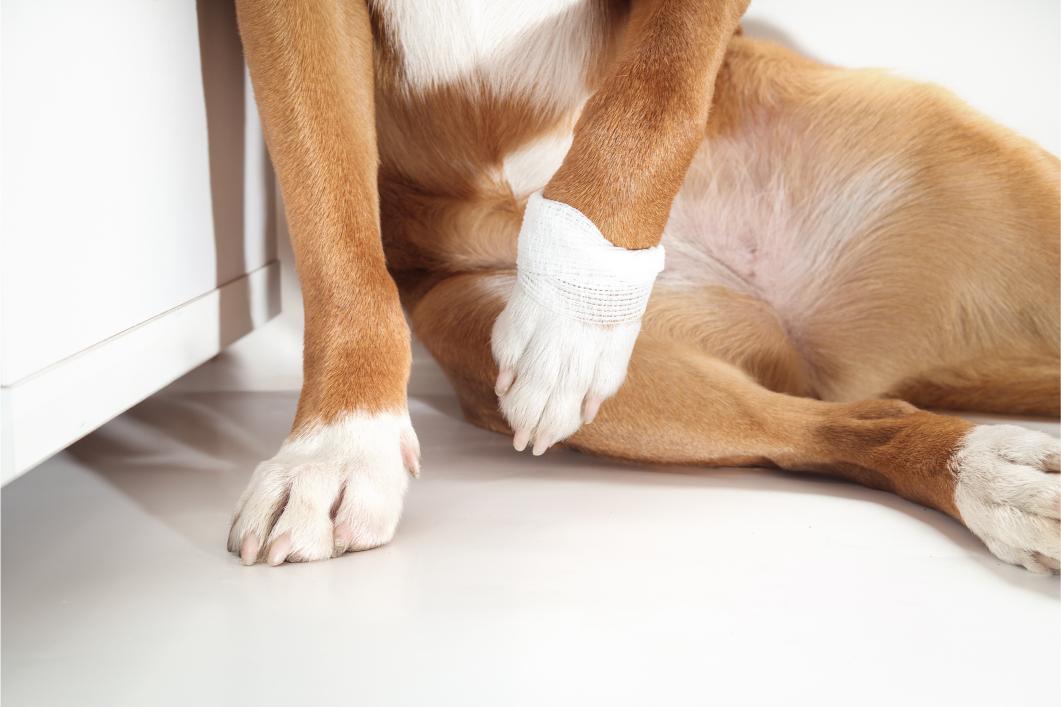
A long walk along the trails. A playful chase across the yard. A weekend hike that leaves everyone happily tired. Then later, you notice it: your dog limping after walking, favoring a leg that seemed perfectly fine just hours ago.
Sudden lameness in a dog can feel alarming, but not every limp leads to a serious diagnosis. With careful observation and timely veterinary treatment, most dogs return to their active routines.
Common Causes of Limping After Exercise
Often, a dog limping after walking is due to a soft tissue injury in a dog. Just like people, dogs can strain muscles, stretch ligaments, or mildly sprain joints during energetic activity. These injuries often develop after:
- Playing on slippery surfaces or making sudden turns
- Overexertion after a period of inactivity
- Jumping from heights
- Rough play with other dogs
A soft tissue injury in a dog may cause mild to moderate limping, stiffness after rest, or tenderness when a leg is touched. In many cases, rest and restricted activity allow healing to begin. However, it is important not to assume every limp is minor.
When to Worry About Something More Serious
Sometimes sudden lameness in a dog points to a deeper concern, such as a ligament tear, fracture, or significant dog joint injury. Watch for these warning signs:
- Refusal to bear weight on the leg
- Noticeable swelling
- Crying out in pain
- Limping that worsens over 24 to 48 hours
- Lethargy or decreased appetite
If your dog cannot place the affected limb on the ground or seems significantly uncomfortable, contact your veterinarian or after hours emergency hospital.
At Bayside Animal Hospital, our veterinary team can perform a thorough orthopedic exam and imaging if needed. An accurate diagnosis is essential for targeted treatment and a smoother recovery.
The Power of Early Intervention
Addressing an injury early can prevent further damage. Mild strains may respond well to anti-inflammatory medication, rest, and gradual return to activity. A more significant dog joint injury or fracture may require advanced treatments, rehabilitation, or in some cases, surgery. The encouraging news is that many dogs regain full function with a combination of veterinary treatment, in-home care, and patience.
Supporting Recovery at Home
Following your dog’s veterinary treatment, supportive home care may include:
- Strict activity restriction
- Soft bedding for joint comfort
- Repositioning food and water bowls to reduce movement
- Weight management to reduce joint strain
- Following medication instructions carefully
From Limp to Leap Again
Seeing your dog limping after walking can be unsettling, but it is also an opportunity to intervene early and thoughtfully. Whether the cause is simply the onset of arthritis or a more serious dog joint injury, professional guidance brings clarity and direction.
If sudden lameness in a dog has you concerned or your pup is due for a checkup, please contact us at (916) 791-8387.