
Why Is My Dog Limping After Exercise? Summer Activity Injuries Explained
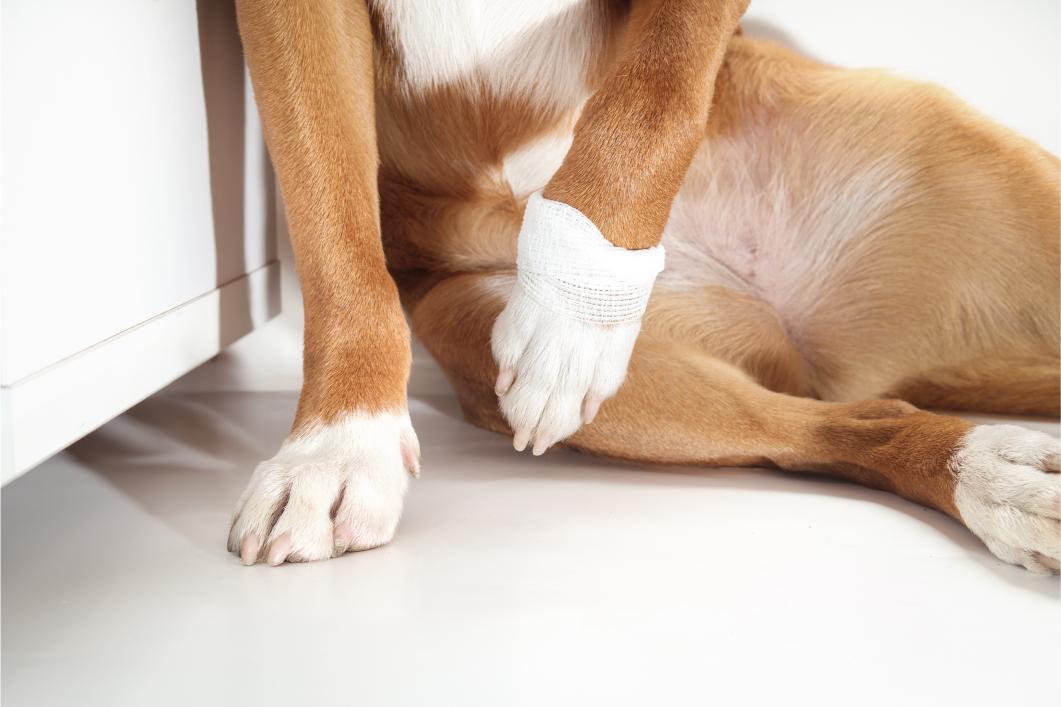
Summer is made for adventure with your dog. Longer walks, playing fetch, hiking trails, and backyard playtime all help your pet stay active and engaged. But increased activity can sometimes lead to soreness, strains, or more significant injuries.
At Bayside Animal Hospital in Granite Bay, our veterinarians and staff often see pets that seemed perfectly fine during exercise, only to start limping later that day or the next morning. If you notice your dog limping after exercise, it’s important to understand what could be causing the problem and when it’s time to schedule an appointment.
Why Dogs May Limp After Summer Exercise
Just like humans, dogs can overdo it. Running, jumping, quick turns, and rough play place stress on muscles, joints, ligaments, and paw pads. A soft tissue injury in a dog commonly results from sudden twisting or overexertion. Some are mild and improve with rest, while others may worsen without treatment.
A few common causes of dog limping after running include:
- Muscle soreness after intense activity
- Minor sprains or strains
- Paw pad burns from hot pavement
- Torn nails
- Joint inflammation or arthritis flare-ups
- Ligament injuries, including cranial cruciate ligament tears
- Hidden cuts, splinters, or foxtails in the paw
Sometimes the limp appears immediately. In other cases, adrenaline and excitement may mask discomfort until your dog settles down for the evening.
What You Should Watch for
Not every limp looks dramatic. Some dogs continue walking and playing while showing subtle signs of discomfort. Paying attention to changes in movement and behavior can help you catch a problem early.
Common dog leg injury symptoms may include:
- Favoring one leg
- Slower movement after exercise
- Difficulty standing up
- Reluctance to jump, climb stairs, or run
- Swelling around a joint
- Whining or sensitivity when touched
- Excessive licking of a paw or leg
- A stiff gait after resting
You may also notice your dog limping after exercise only intermittently. For example, he may seem stiff first thing in the morning, improve during the day, then start limping again after activity.
If symptoms persist beyond a day or two, or if the limp worsens, your dog should be evaluated by a veterinarian.
When Is Limping an Emergency?
Some limps can wait for a scheduled visit, but others require prompt medical attention. Severe injuries may become more complicated if treatment is delayed.
Contact your veterinarian right away if your dog:
- Refuses to bear weight on a leg
- Cries out in pain
- Has visible swelling or deformity
- Shows signs of heatstroke along with limping
- Has a bleeding paw or broken nail
- Appears lethargic or unwilling to move
- Experiences sudden collapse
Large-breed dogs, senior dogs, and highly athletic dogs may be especially prone to more serious orthopedic injuries during summer activity.
Helping Prevent Summer Activity Injuries
The good news is that many exercise-related injuries are preventable with a few simple precautions. Dogs often push past their physical limits when they are excited, especially during outdoor play.
To help reduce the risk of injury:
- Gradually increase activity levels
- Avoid running on hot pavement
- Bring water during walks and hikes
- Allow rest breaks during long outings
- Keep nails trimmed
- Watch for signs of fatigue
- Avoid overly intense activity during peak heat
Conditioning matters, too. A dog that spends most of the week resting indoors may be more likely to experience soreness or injury after an intense weekend adventure.
Don’t Ignore a Limp
Even mild limping can signal an underlying injury that deserves attention. Early evaluation may help prevent a minor problem from becoming more serious, especially when joints, ligaments, or soft tissues are involved.
If your dog is limping after running, hiking, or playing this summer, the team at Bayside Animal Hospital is here to help. We can evaluate your pet’s mobility, identify the source of discomfort, and recommend treatment options to support recovery. To book an appointment, call (916) 791-8387 today.