


Why Annual Bloodwork Matters Even When Your Pet Seems Healthy
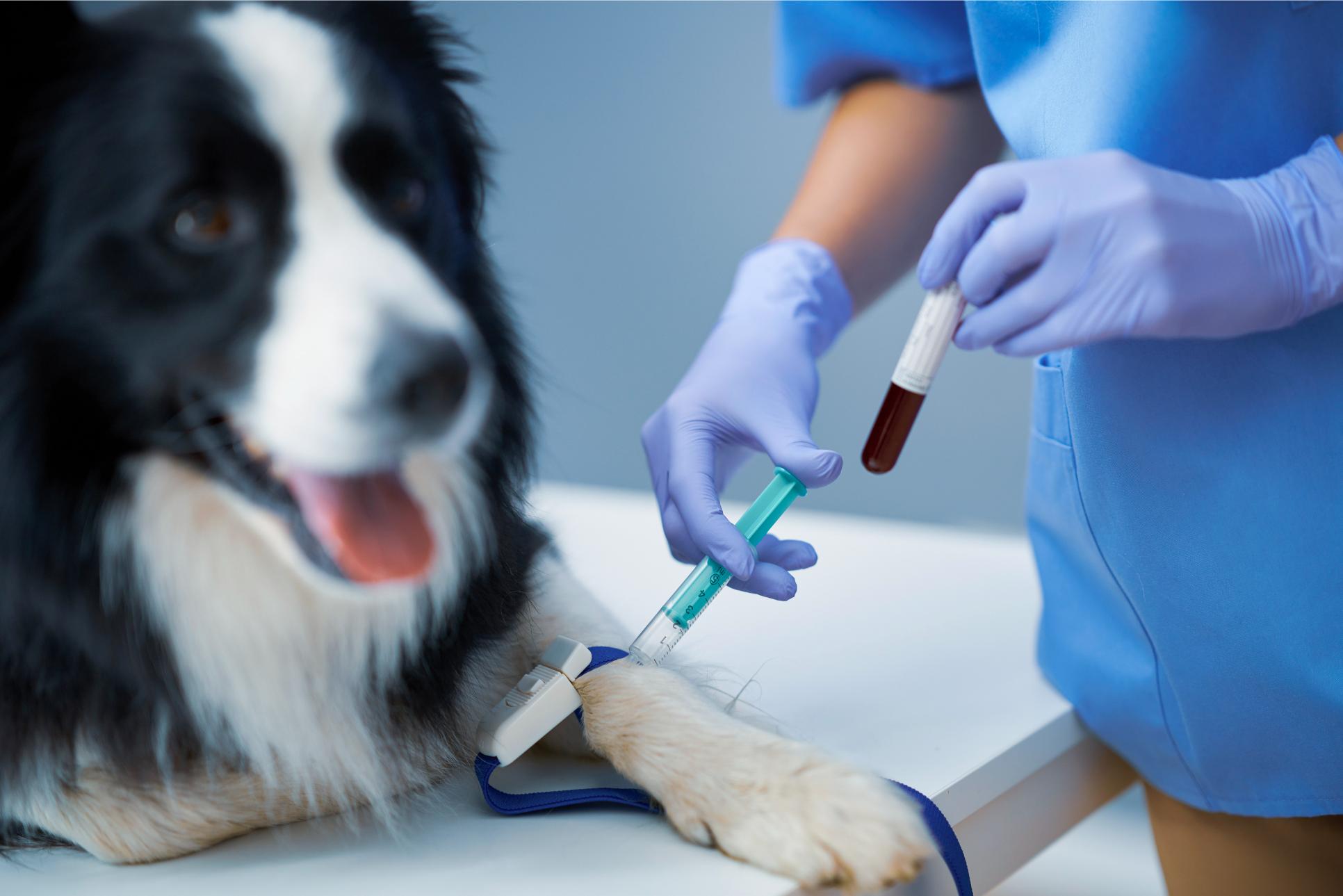
When your pet is eating well, playing normally, and acting like their usual self, it’s easy to assume everything is fine. But pets can’t tell us when something feels different, and many health conditions don’t cause obvious symptoms in their early stages.
At Bayside Animal Hospital in Granite Bay, annual pet bloodwork helps us look beneath the surface and learn more about your companion’s health.
A Physical Exam Can’t Reveal Everything
A thorough nose-to-tail exam provides valuable information about your pet’s weight, heart, lungs, skin, coat, teeth, joints, and overall condition. Still, even the most attentive physical exam can’t show exactly how the internal organs are functioning.
Wellness blood tests can offer insight into areas such as:
- Red and white blood cell counts
- Liver and kidney function
- Blood sugar levels
- Protein and electrolyte levels
- Signs of infection, inflammation, or anemia
- Platelet counts and blood-clotting ability
These results add another layer to your pet’s wellness evaluation. When considered alongside the physical exam, health history, age, lifestyle, and any changes you’ve noticed at home, they help create a more complete picture.
Early Changes May Not Cause Symptoms
Cats and dogs often hide signs of illness, and some conditions progress gradually enough that changes are difficult to notice. Your pet may continue eating, playing, and seeking attention even as an underlying problem develops.
Routine testing may identify changes associated with kidney disease, liver problems, diabetes, anemia, infection, and other concerns before symptoms become pronounced. An abnormal result doesn’t always mean your pet has a serious illness. It may simply indicate that additional testing, closer monitoring, or a small adjustment in care is appropriate.
Finding a potential problem earlier can give you and your veterinarian more options. In some cases, dietary changes, medication, weight management, or regular monitoring may help protect your pet’s health and quality of life.
Normal Results Create a Valuable Baseline
Bloodwork isn’t useful only when it uncovers a concern. Normal results establish your pet’s individual baseline: a record of what’s typical for them when they’re feeling well.
Laboratory reference ranges reflect results from many animals, but every pet is different. When your veterinarian can compare this year’s numbers with results from previous years, even subtle trends may become meaningful. A value may still fall within the standard range but may have changed noticeably for your individual pet.
That history becomes especially helpful as pets age or if they develop symptoms later. Instead of relying on a single snapshot, our veterinarians and staff can review changes over time and make more informed recommendations.
Bloodwork Needs May Change With Age
The appropriate testing schedule depends on your pet’s age, medical history, medications, breed, and risk factors. Annual testing may be recommended for healthy adult pets, while senior pets or those managing chronic conditions may benefit from bloodwork more often.
Your veterinarian may also recommend testing:
- Before anesthesia or surgery
- Before starting certain medications
- While monitoring long-term medication use
- When appetite, thirst, weight, energy, or behavior changes
- After vomiting, diarrhea, or another illness
These tests can help determine whether a procedure or medication is appropriate and provide useful information when your pet isn’t feeling well. Your veterinarian will explain which tests are recommended and why.
Make Bloodwork Part of Preventive Veterinary Care
Annual pet bloodwork helps us understand what’s normal for your pet, identify changes promptly, and make proactive decisions. Along with regular exams, vaccinations, parasite prevention, dental care, and nutritional guidance, blood testing is an important part of preventive veterinary care.
Even when your pet seems perfectly healthy, a wellness visit can help keep it that way. Call Bayside Animal Hospital at (916) 791-8387 to book an appointment and ask whether it’s time for your pet’s annual bloodwork.