


Title: Cat Constipation: Signs, Causes, and When Veterinary Care Is Needed
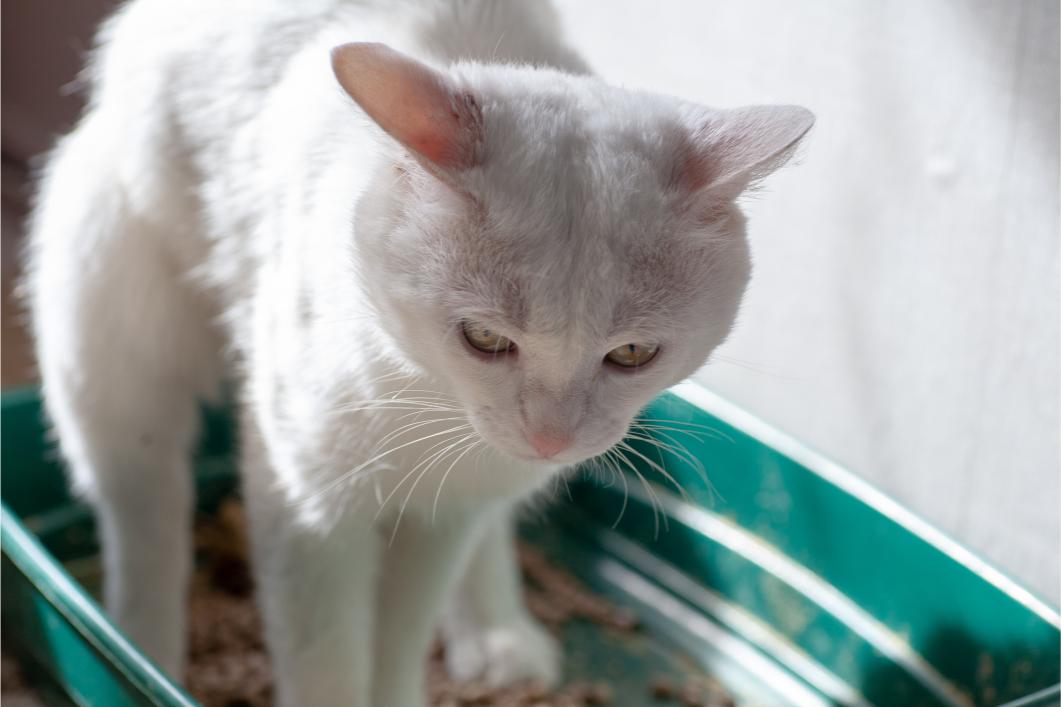
Most cat parents become intimately familiar with their pet’s daily habits, including the timing and results of every trip to the litter box. So when the scooper keeps coming up empty, it raises a red flag. A cat not pooping for a day or two is likely just a digestive blip, but ongoing cat constipation can signal a serious medical condition.
In this blog, our team at Bayside Animal Hospital dives deep into litter box letdowns and other warning signs so you know when to call the vet.
The Curious Case of the Empty Litter Box
Healthy cats typically produce bowel movements at least once every day or two. If your cat repeatedly visits the litter box with little or no success, it’s time for a veterinary evaluation.
Common constipated cat symptoms include:
- Straining to defecate
- Producing small, hard stools
- Crying or vocalizing in the litter box
- Frequent trips to the litter box with no results
- Loss of appetite
- Vomiting
- Lethargy
- Hiding or acting uncomfortable
What Causes Cat Constipation?
There are many reasons why a cat may become constipated. Some are relatively minor, while others require medical treatment. Senior cats are especially vulnerable because age-related conditions can affect mobility and hydration.
Common cat constipation causes include:
- Dehydration
- Hairballs
- Lack of exercise
- Obesity
- Stress or changes in routine
- A low-fiber diet
- Arthritis or pain that makes squatting difficult
- Intestinal blockages
- Kidney disease or other underlying illnesses
More Than a Minor Movement Problem
While a skipped day may not signal an emergency, prolonged cat constipation can lead to more serious complications. Over time, a cat’s colon can become enlarged and lose its ability to move stool effectively, a condition known as megacolon.
Left untreated, cat constipation can cause:
- Severe abdominal discomfort
- Loss of appetite
- Dehydration
- Vomiting
- Chronic bowel problems
- Reduced quality of life
Keeping Things Moving: Cat Constipation Prevention Tips
Good digestive health starts with simple habits like these:
- Encourage water intake with fresh water or fountains
- Feed a balanced diet recommended by your veterinarian
- Help your cat maintain a healthy weight
- Provide opportunities for daily exercise
- Groom regularly to reduce hairballs
- Keep litter boxes clean and accessible
- Never give human laxatives or home remedies without consulting your veterinarian
When Waiting Won’t Work: Knowing When to Call the Vet
If your cat hasn’t had a bowel movement in more than a couple of days, or if you notice vomiting, lethargy, pain, or repeated unsuccessful attempts to defecate, it’s time to schedule an examination.
Our team understands that digestive issues aren’t anyone’s favorite topic, but they’re important to your cat’s health. If you’re concerned about constipated cat symptoms or you’ve noticed your cat not pooping, contact us today at (916) 791-8387. With prompt veterinary care, we can help your feline friend return to regular litter box “purr-formance.”